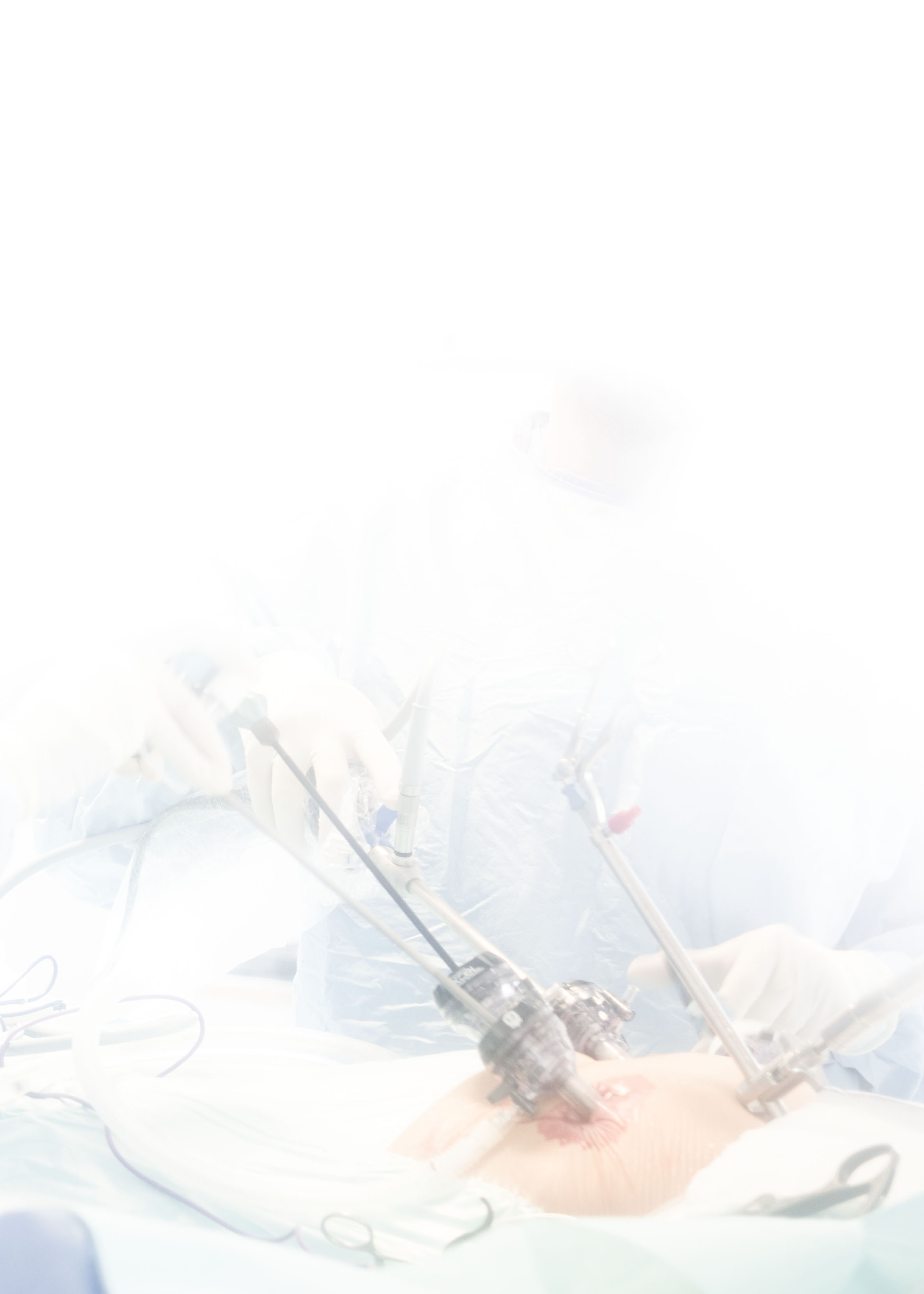
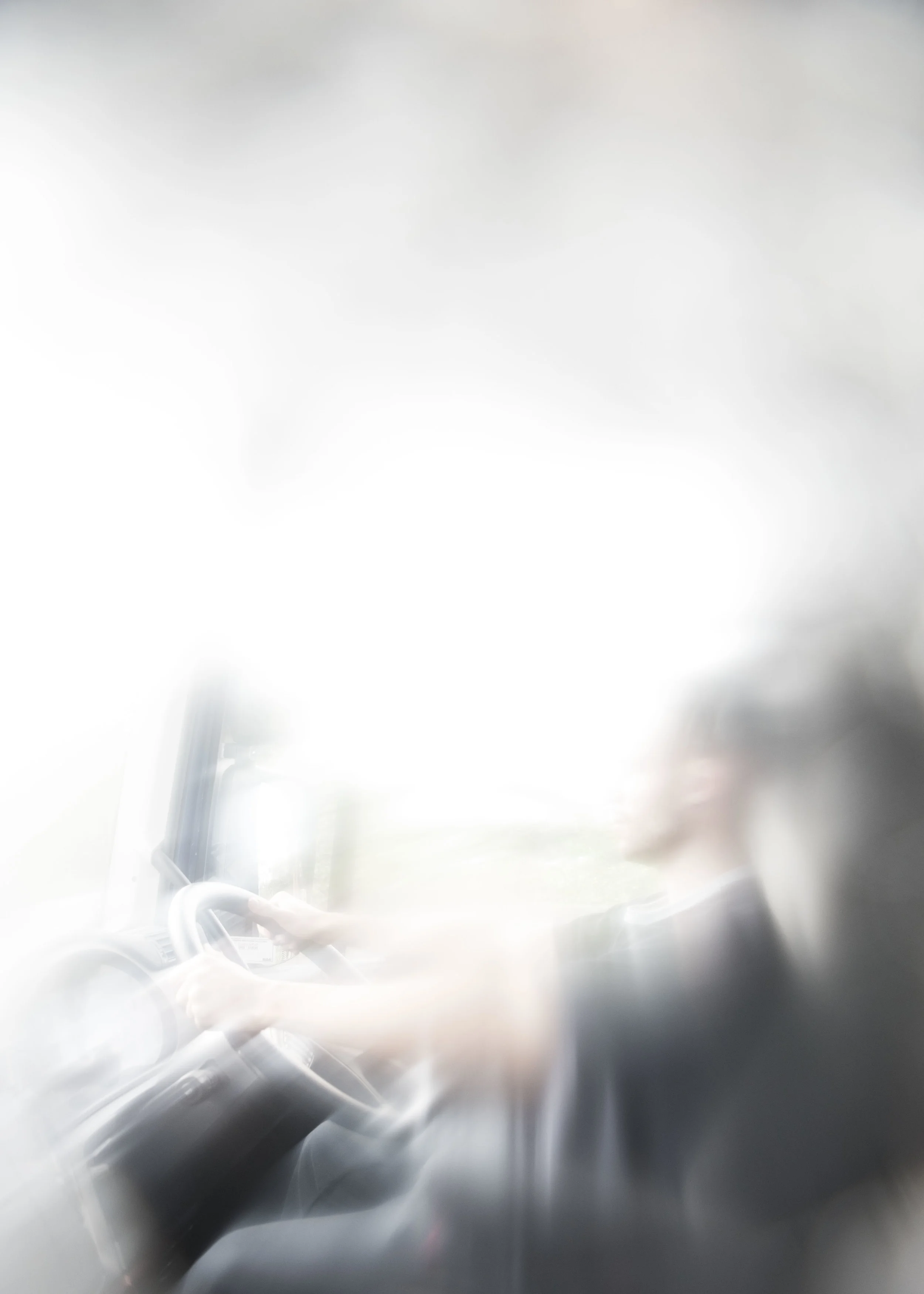
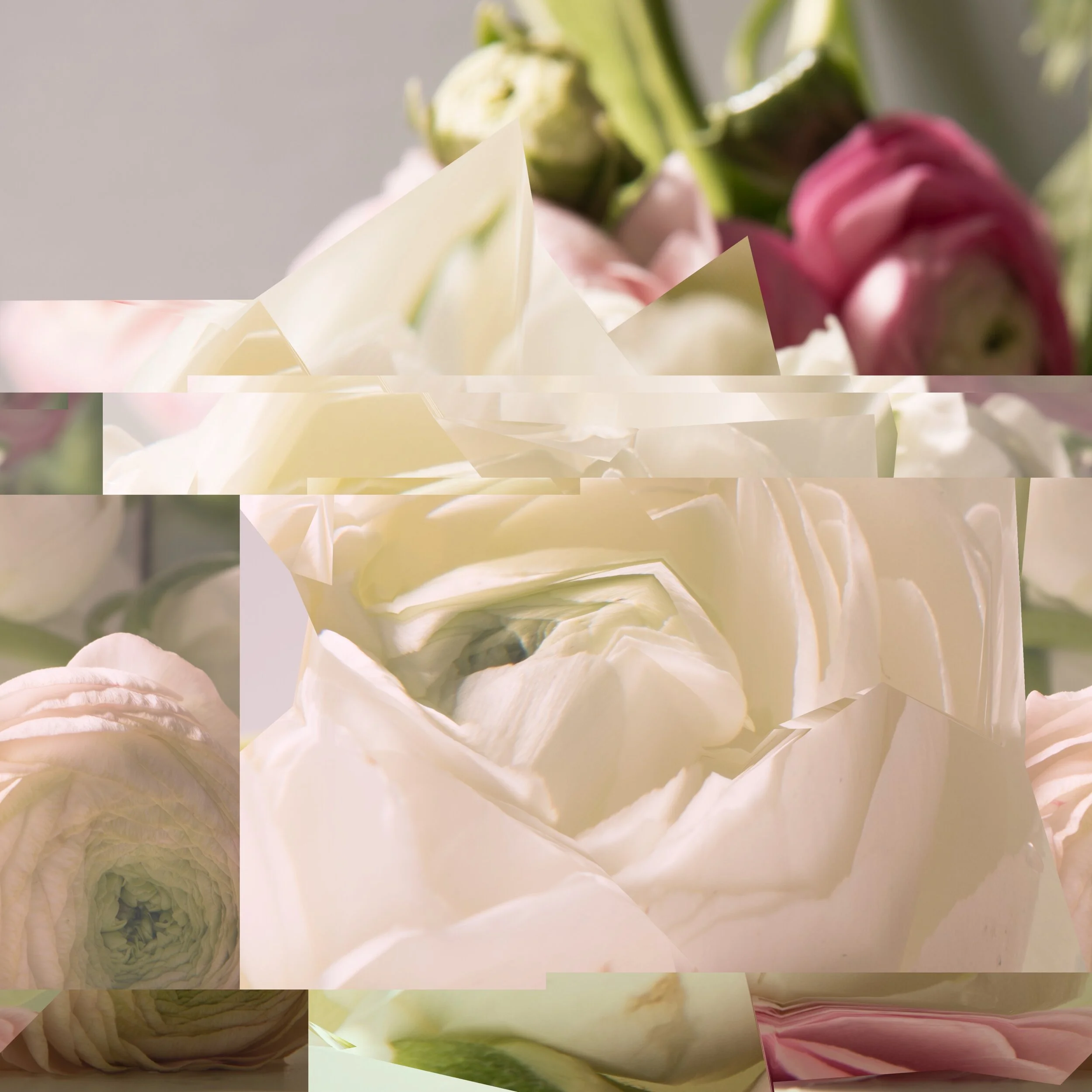
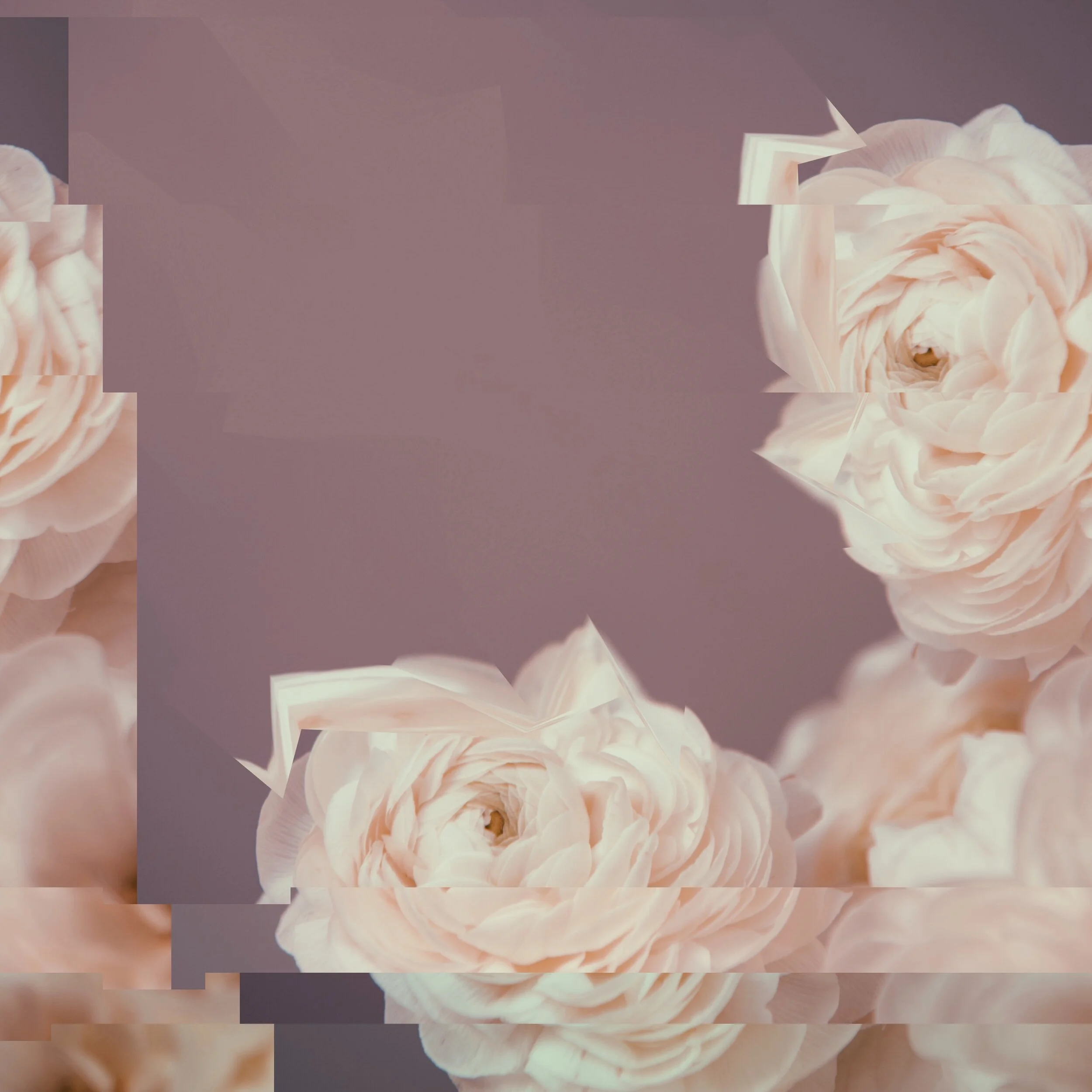
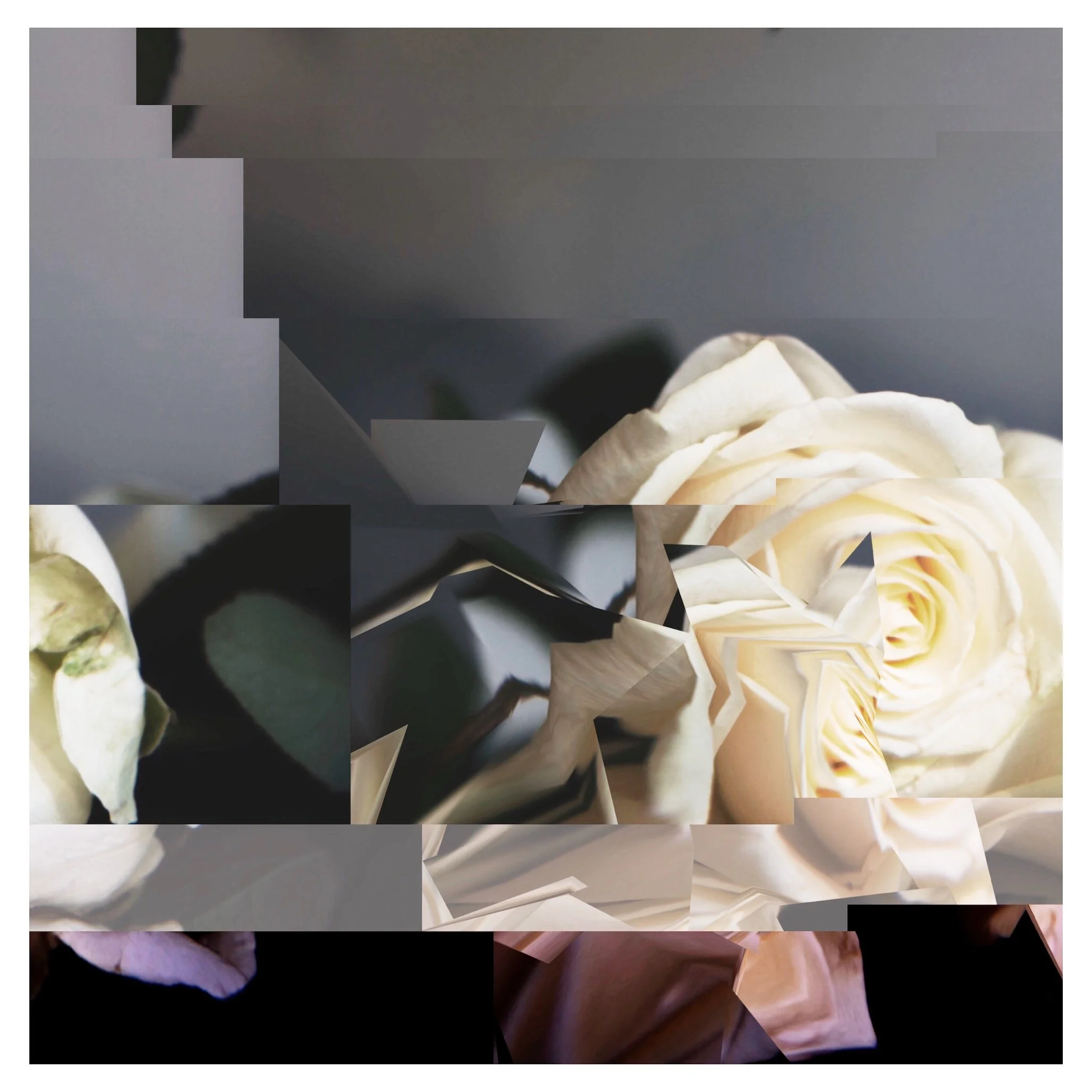
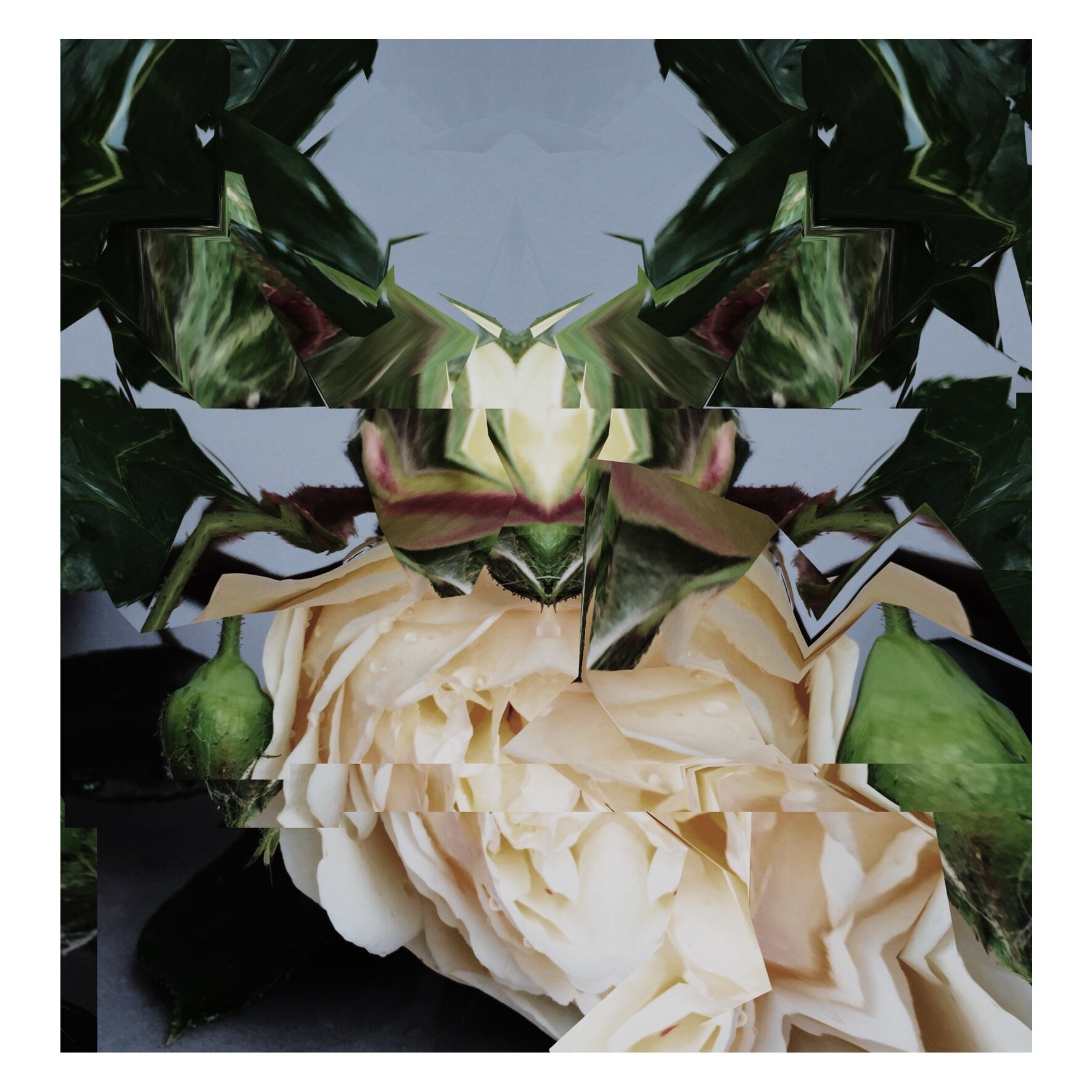
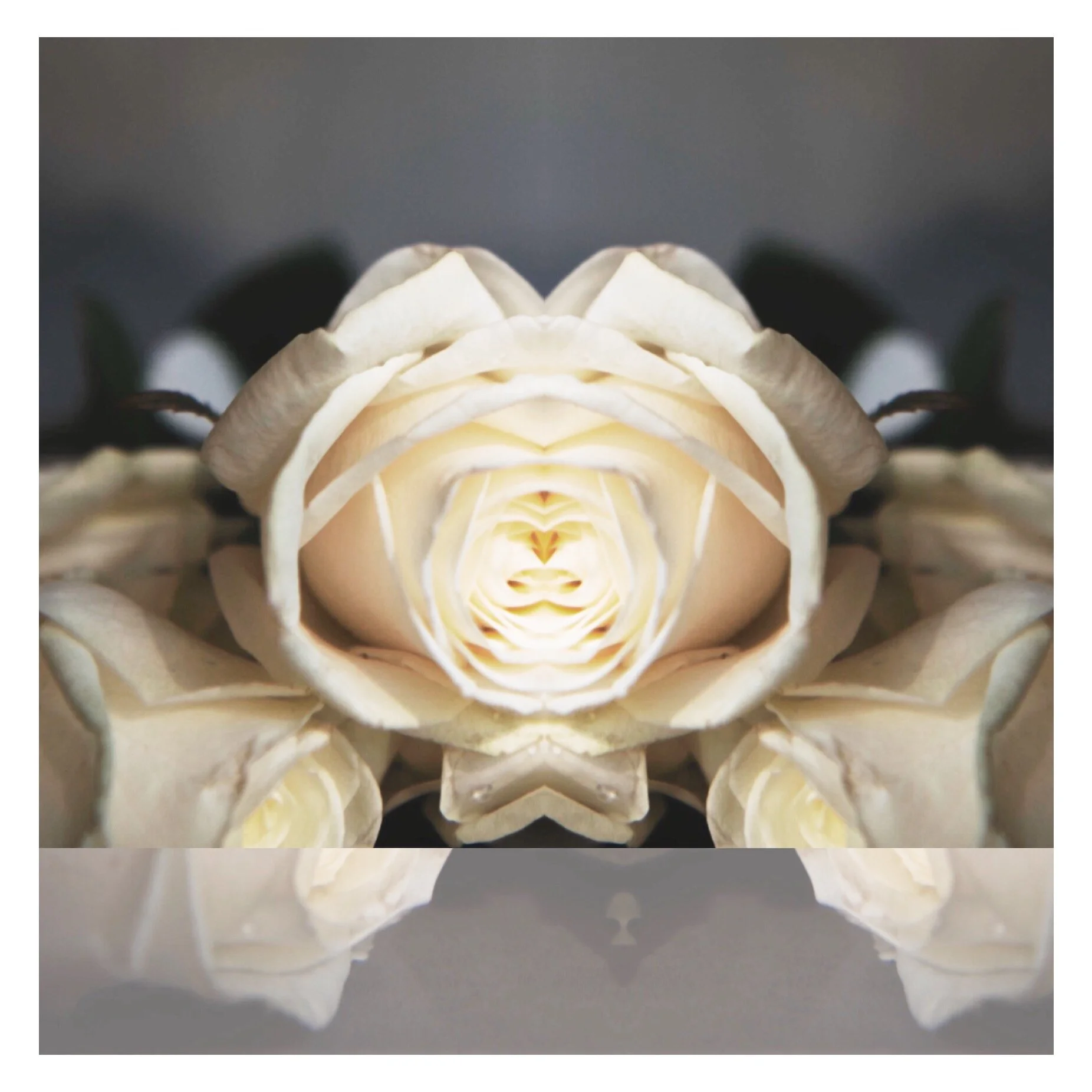
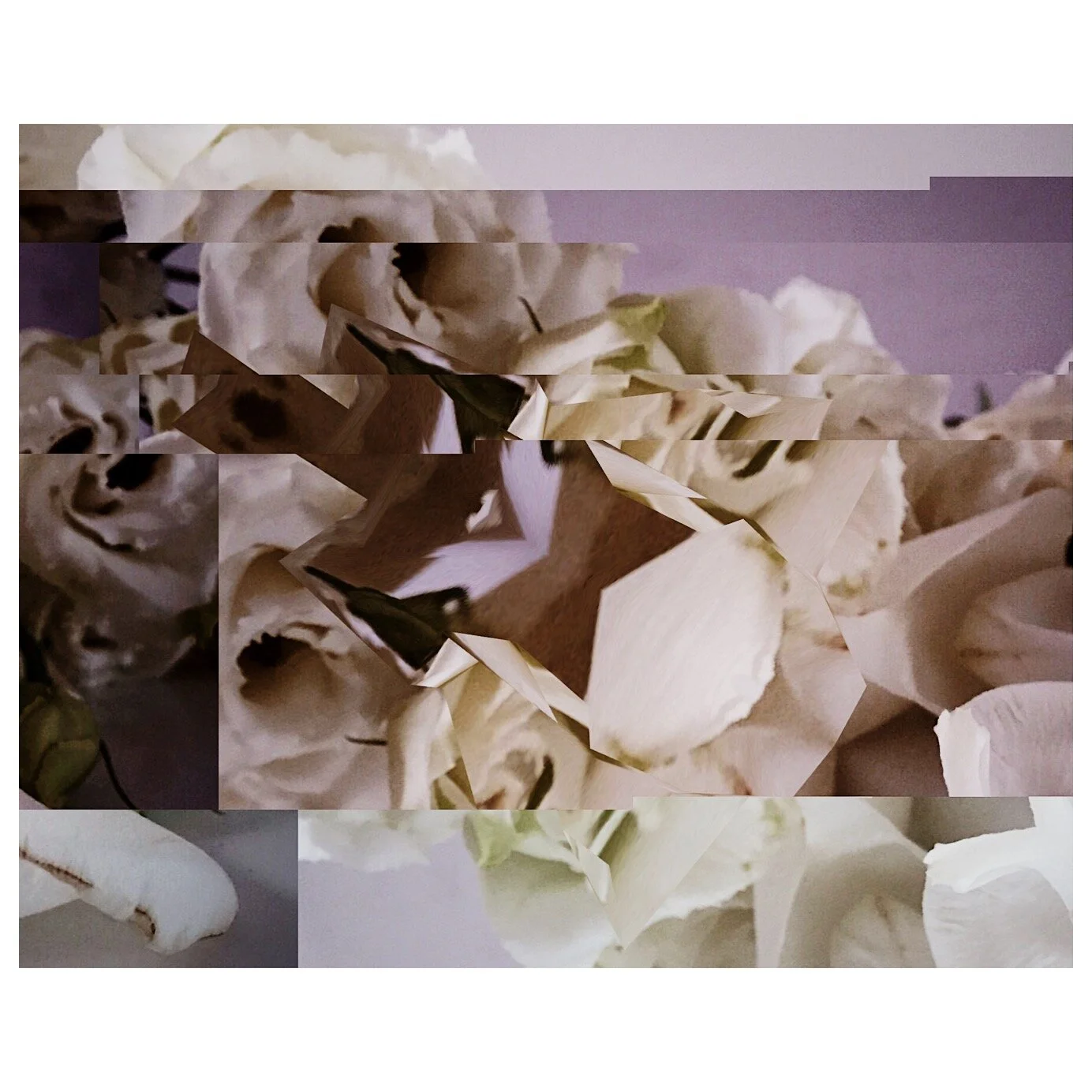
Labour Lost (2017) is a series of sociological portraits exploring the rise of automations' displaced workforce in the next two decades. Murray strives to make work that has potential for real discourse about artificial intelligence and robotics. Do robots need to be taxed for every job a human employee is removed from? Should corporates be managed by governance to control fiscal responsibilities to society? Do we understand the ethical framework for robotics development, deployment and the liabilities associated with the actions of robots such as the self-driving car? Can we predict the sociological and psychological outcomes of a future where all intellectual and physical complexity will be reduced from our daily lives. Murray reflects on our current disposition and reviews what are we losing blindly in the white space and do we even care?
Her photographic approach is experimental as she engages with the science of the medium and the parameters of the camera. Each work is a unique analogue C-type print, handmade by Murray in the colour darkroom. She then works with a large horizontal printer (only two survive currently in the UK) to make these large bespoke prints. Altering and preventing the light from hitting the paper she removes details from each image. It is an act of chance as she can not be certain in the complete darkness of the lab what elements shall have remained once the exposure is complete. This labour intense process subverts the tradition of the meticulously reproduced print and creates something lying closer to a painting.
"In the sweat of thy face shalt thou eat bread, till thou return unto the ground; for out of it was thou taken; for dust thou art, and unto dust thou return" Genesis 3:19
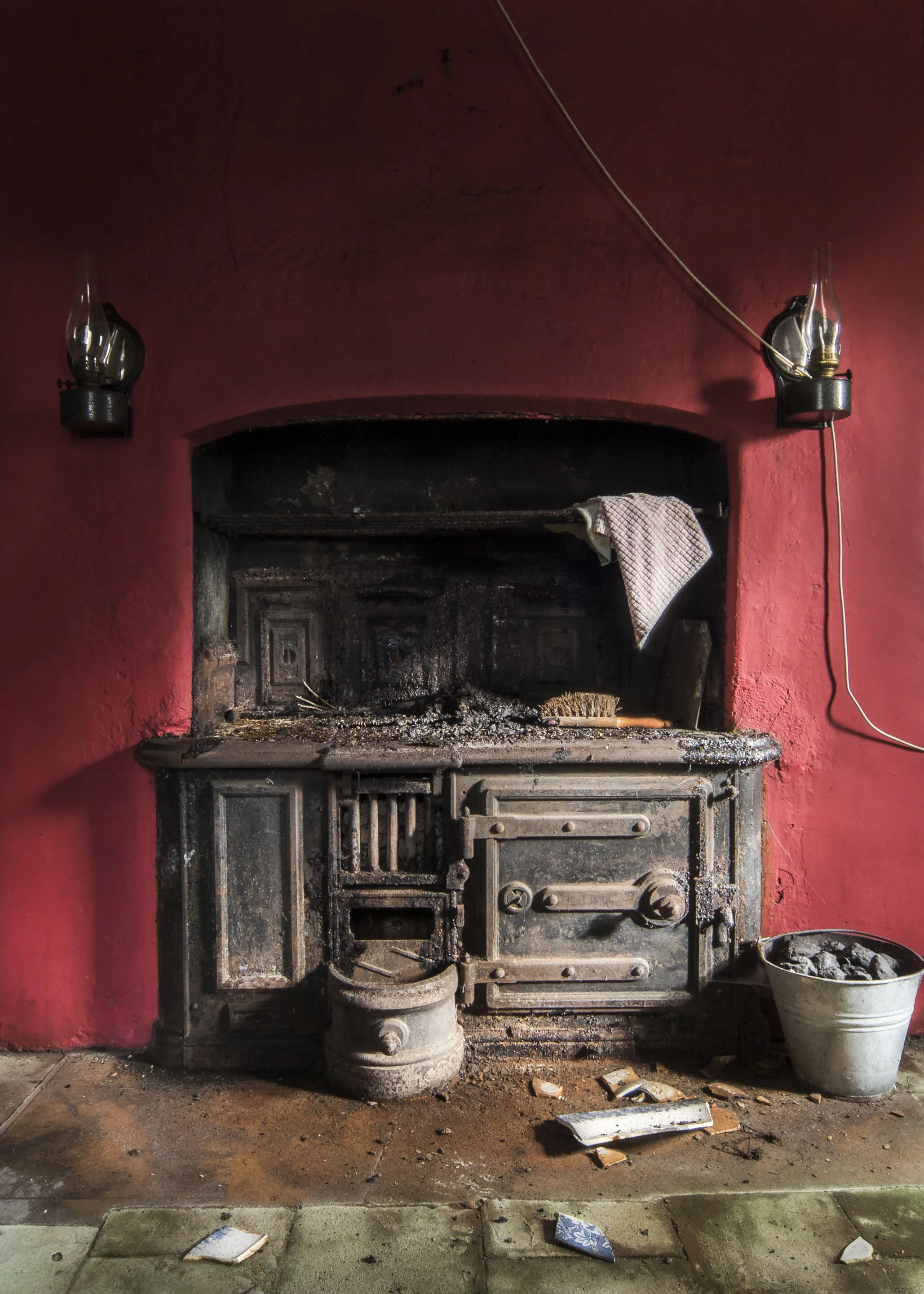
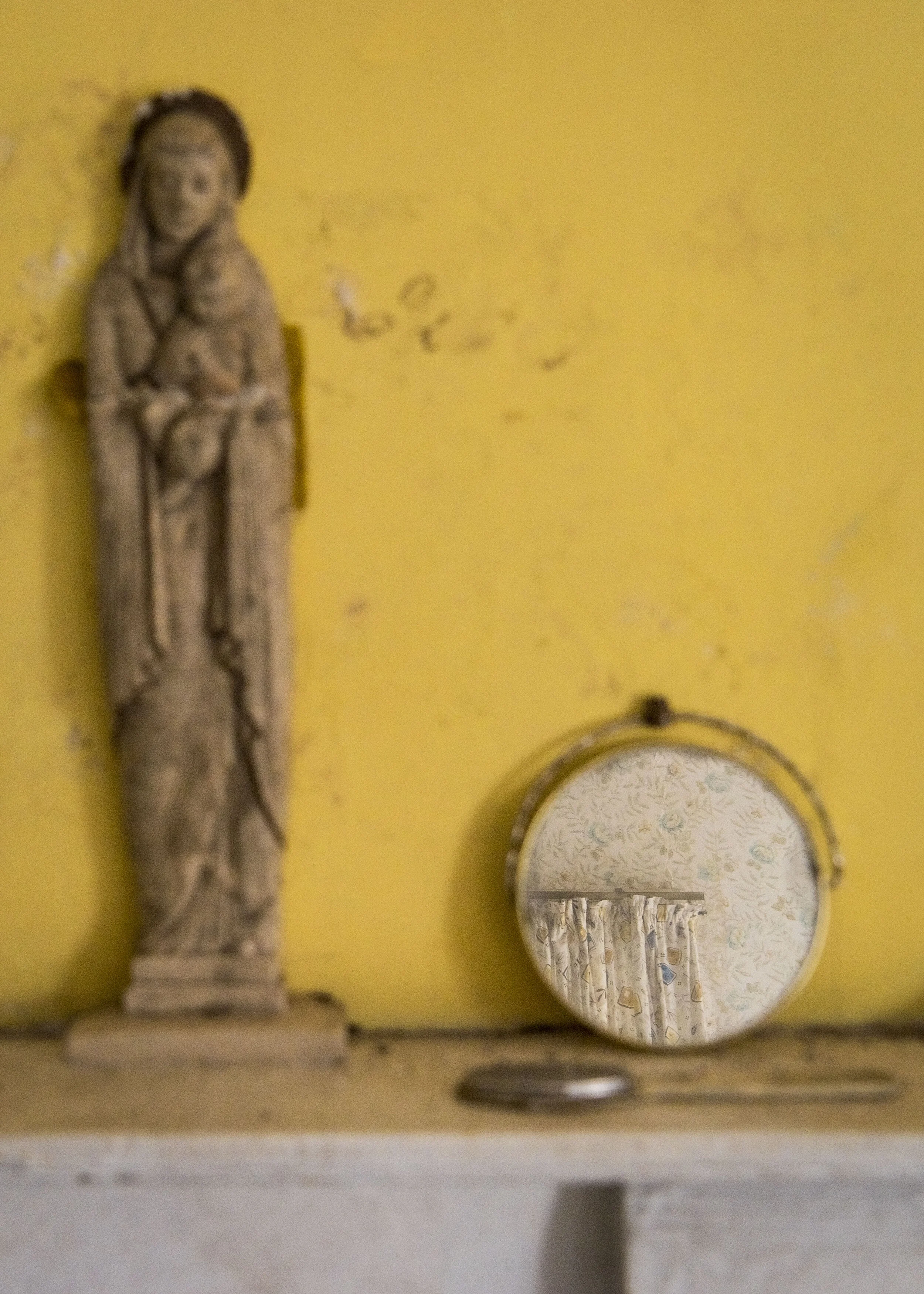
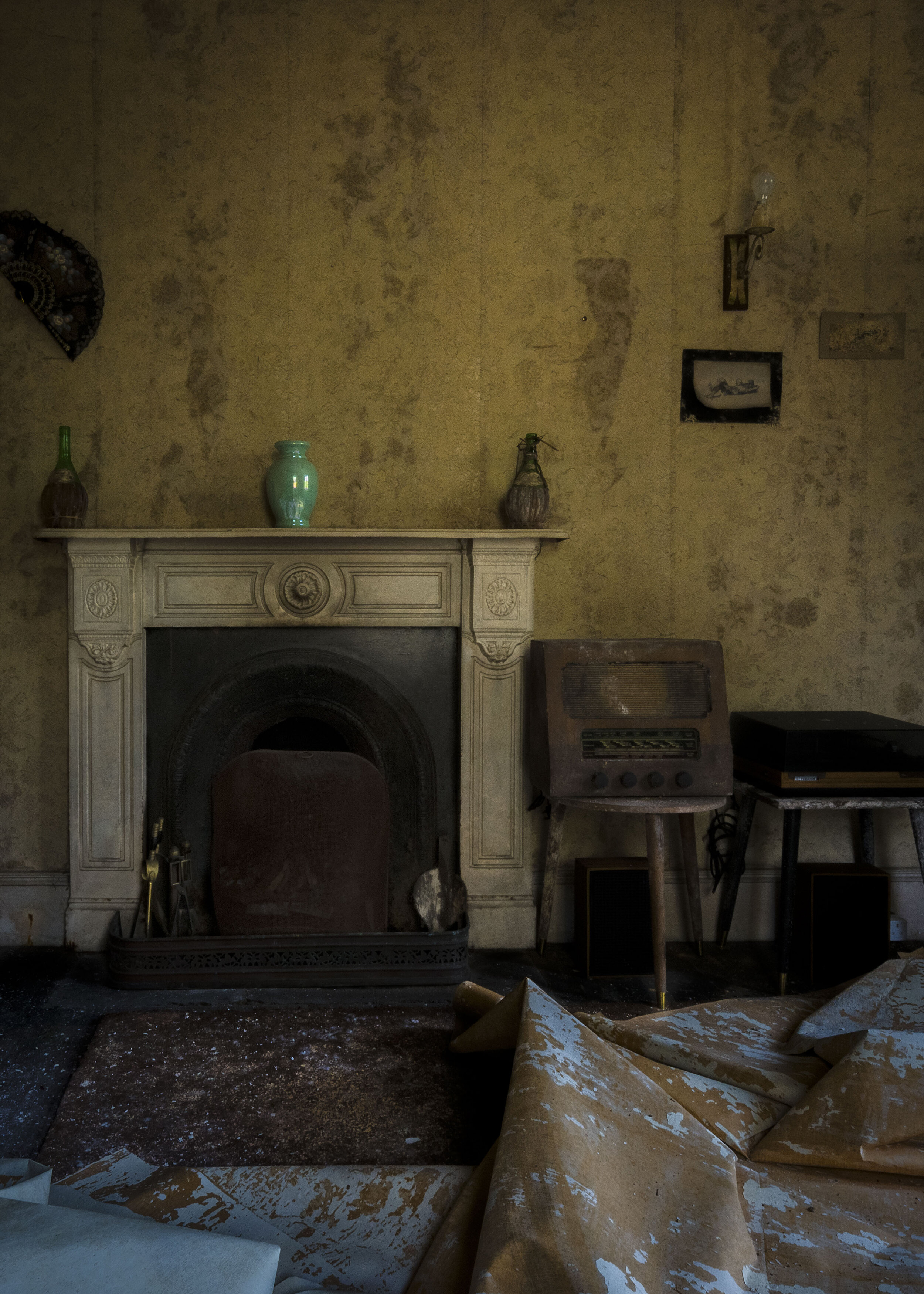
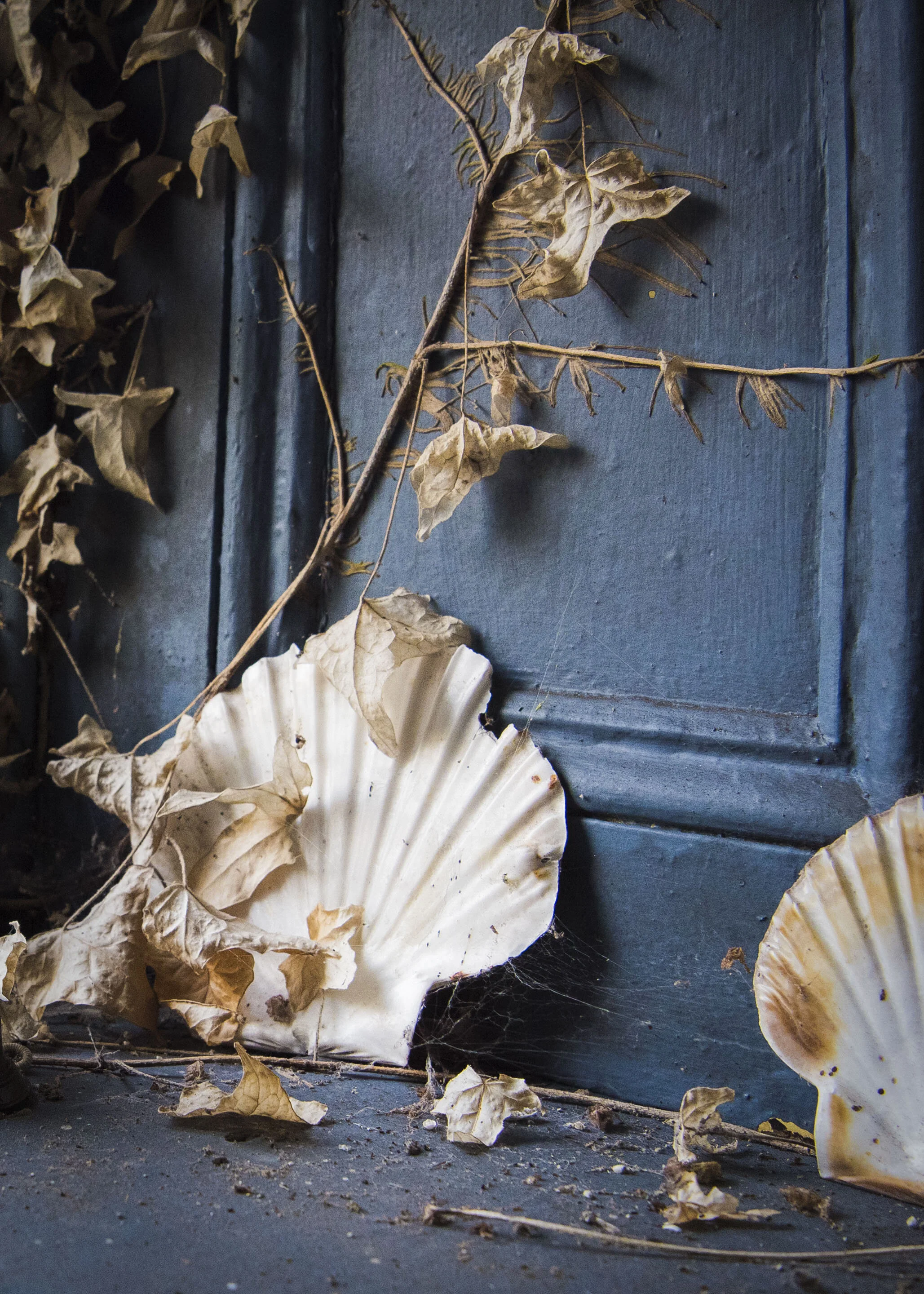
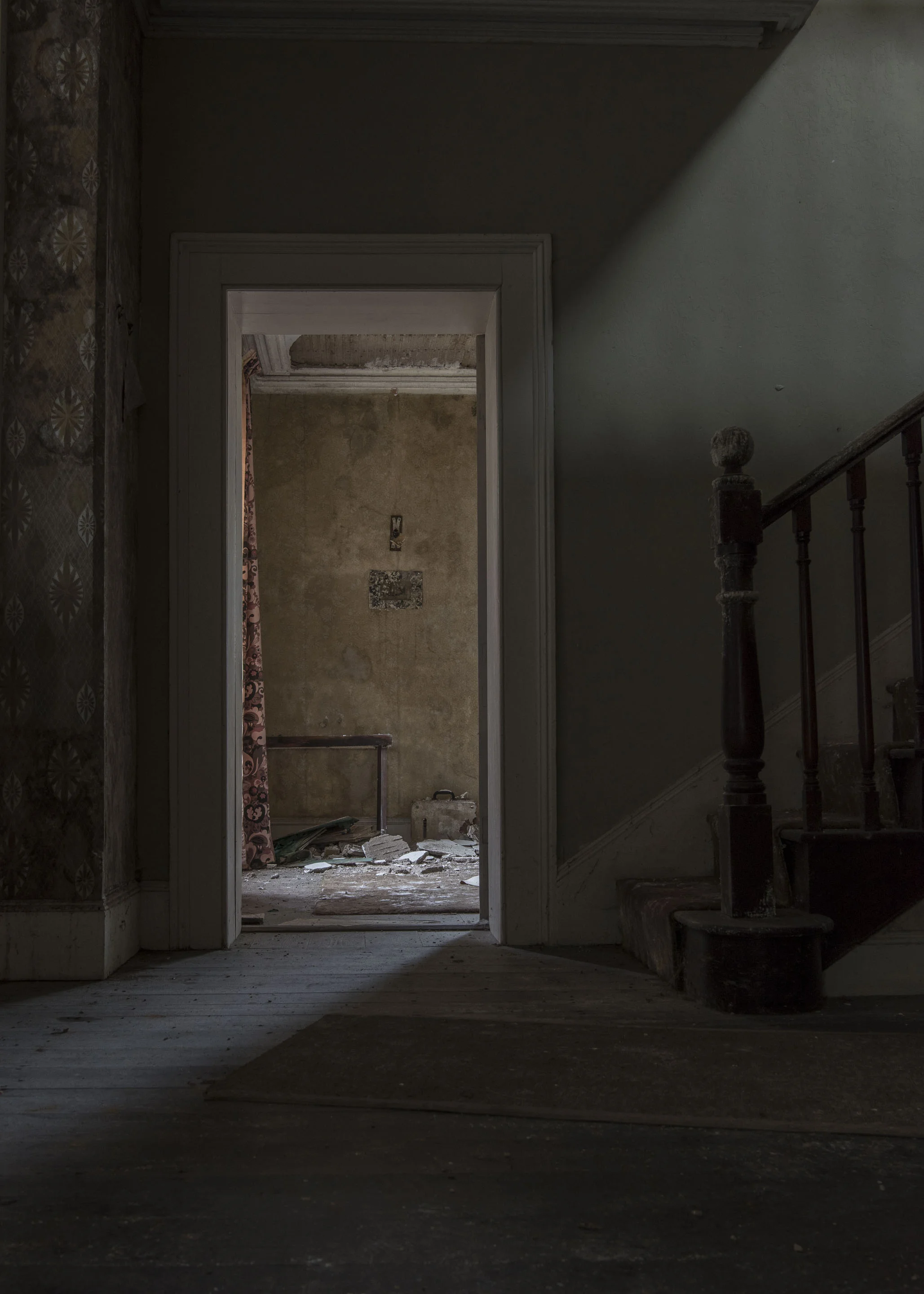
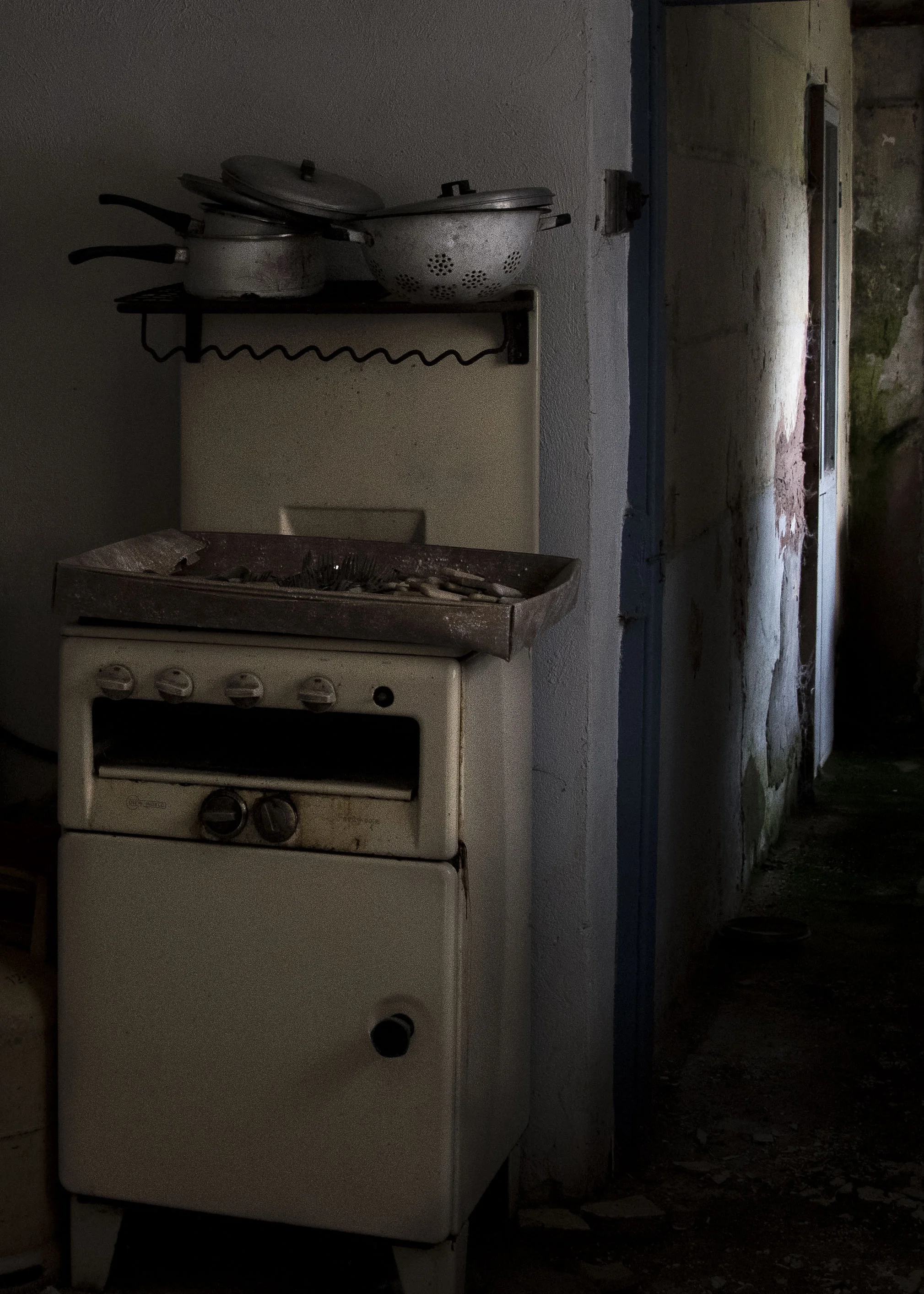
Opening the doors of the abandoned homes that can be found throughout rural Ireland. Examining the frequently overlooked and largely unspoken experiences of those that stayed when other family members left for cities in Ireland, England and elsewhere. This series examines not only the specific lives, social history of the region (the physical record of which is fast disappearing with every storm) but also a meditative review of the passing of time, how these properties are being swallowed back into the landscape from which they came as nature pushes into the interiors and begins to dominate the spaces.
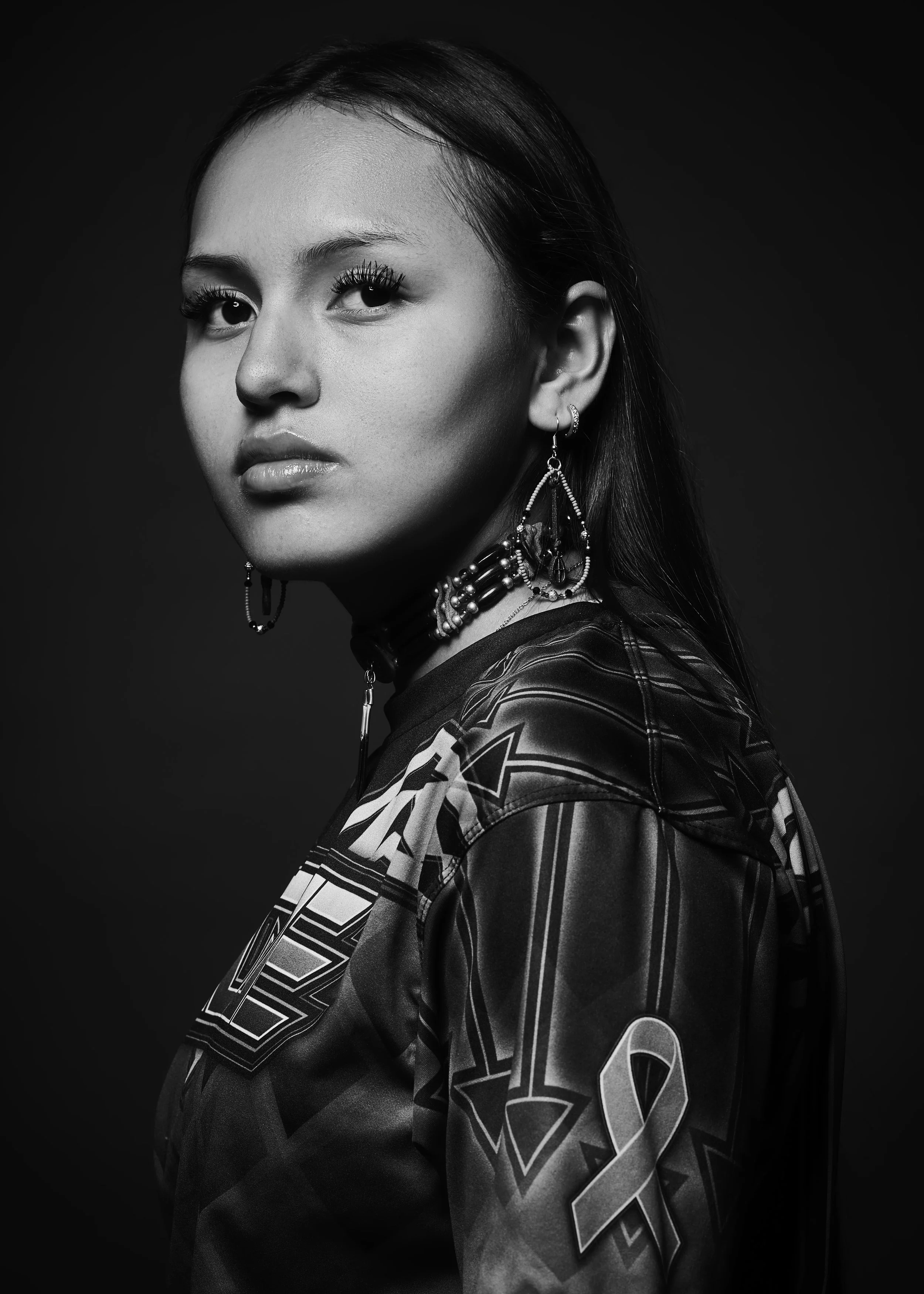
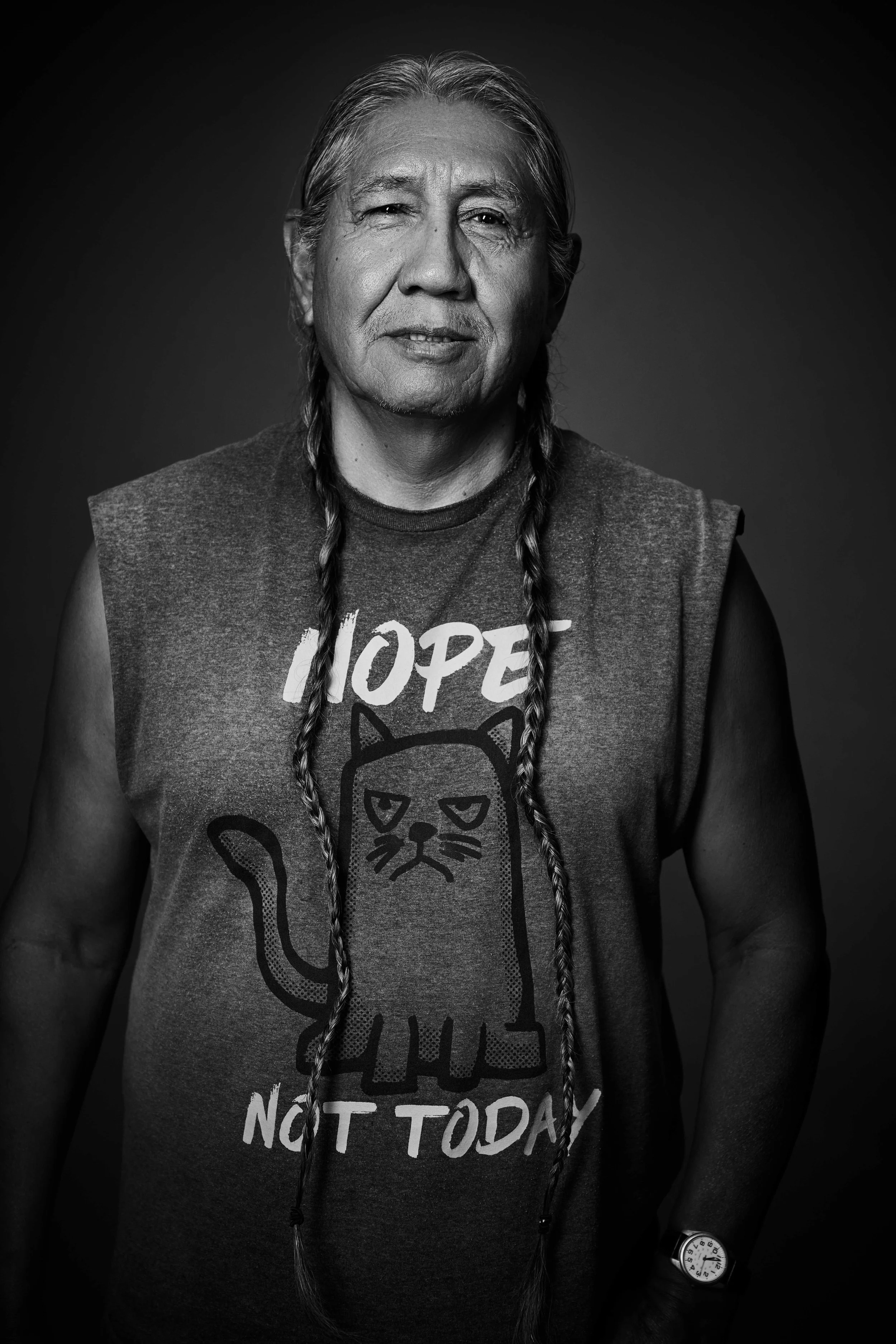
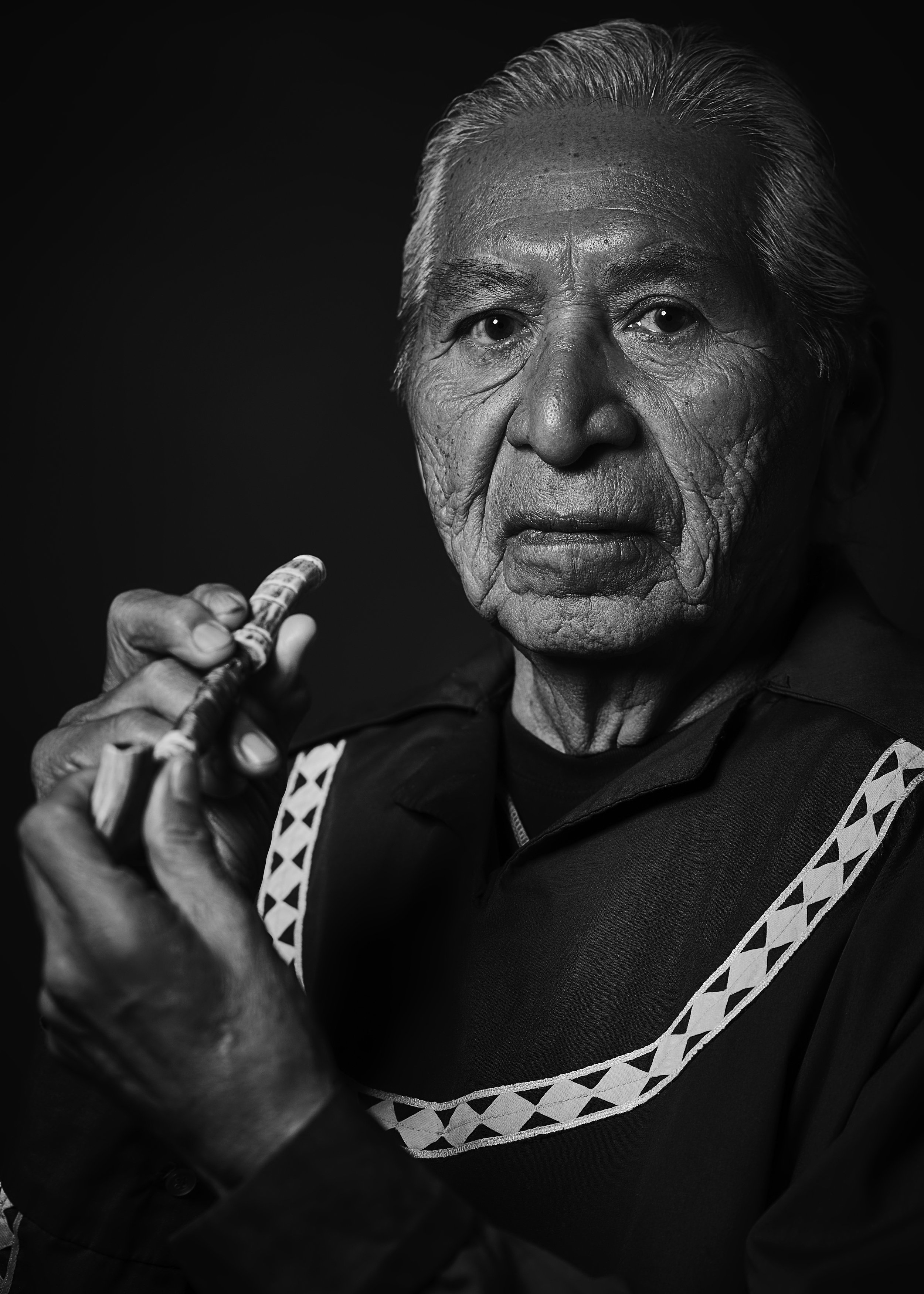
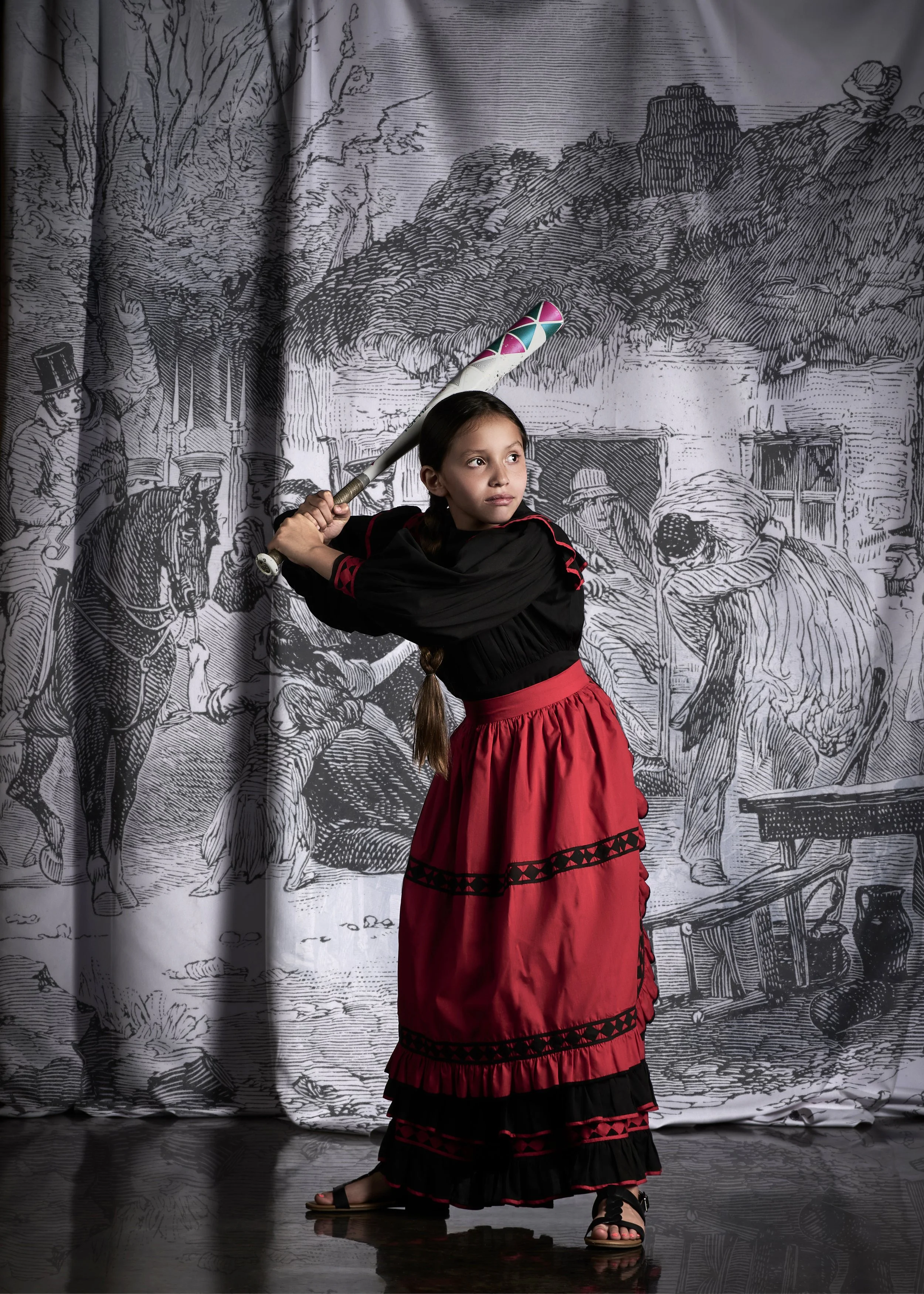
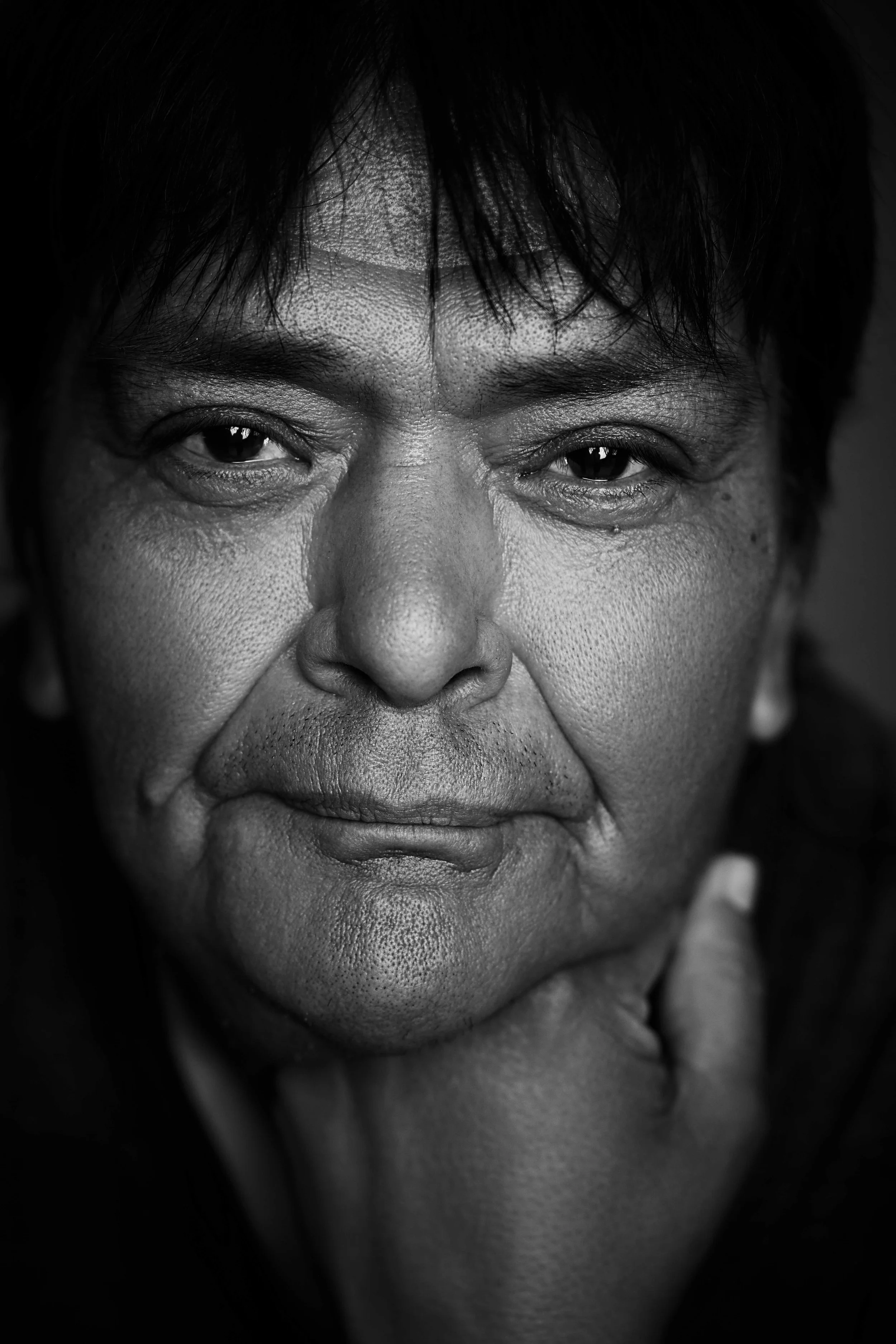
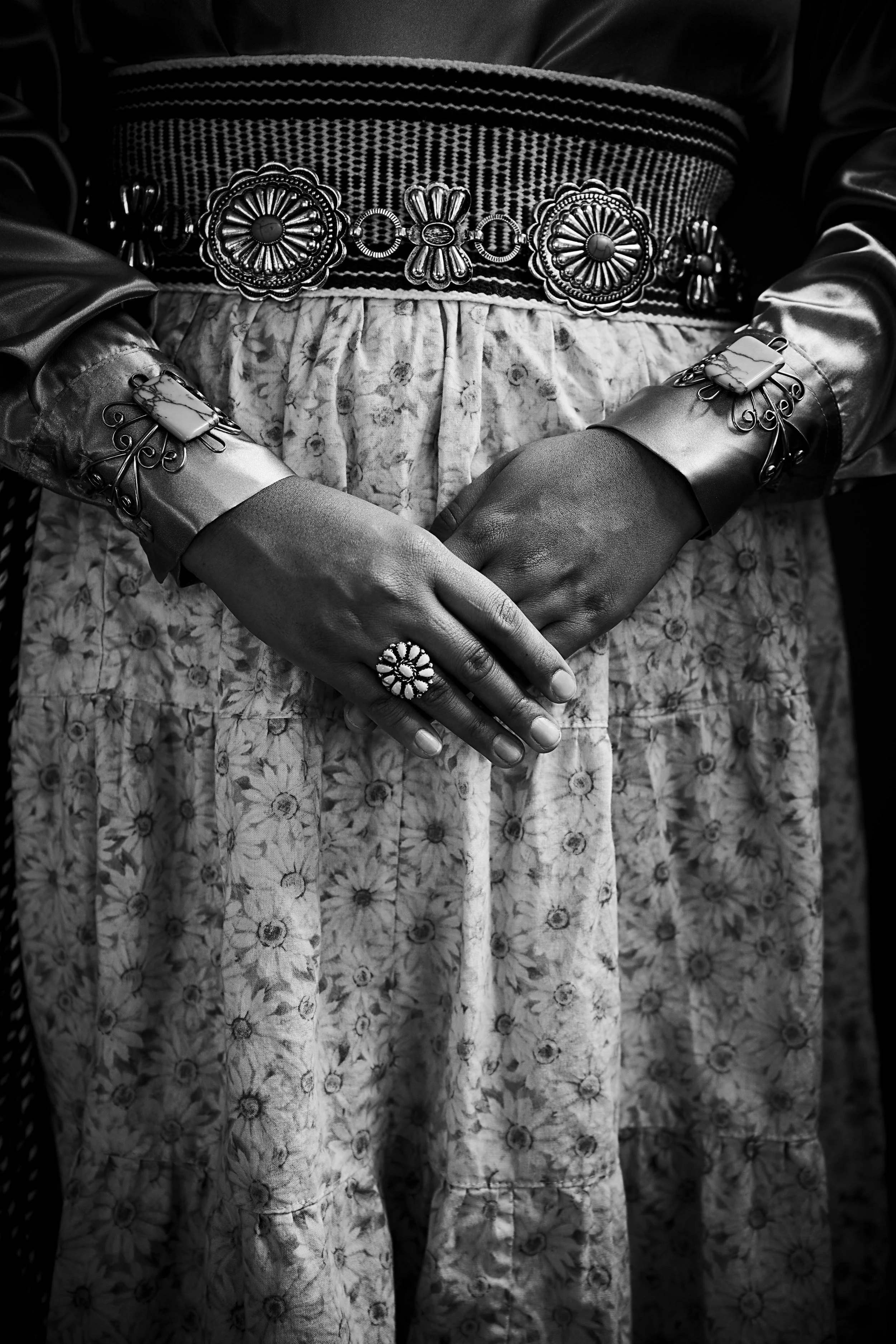
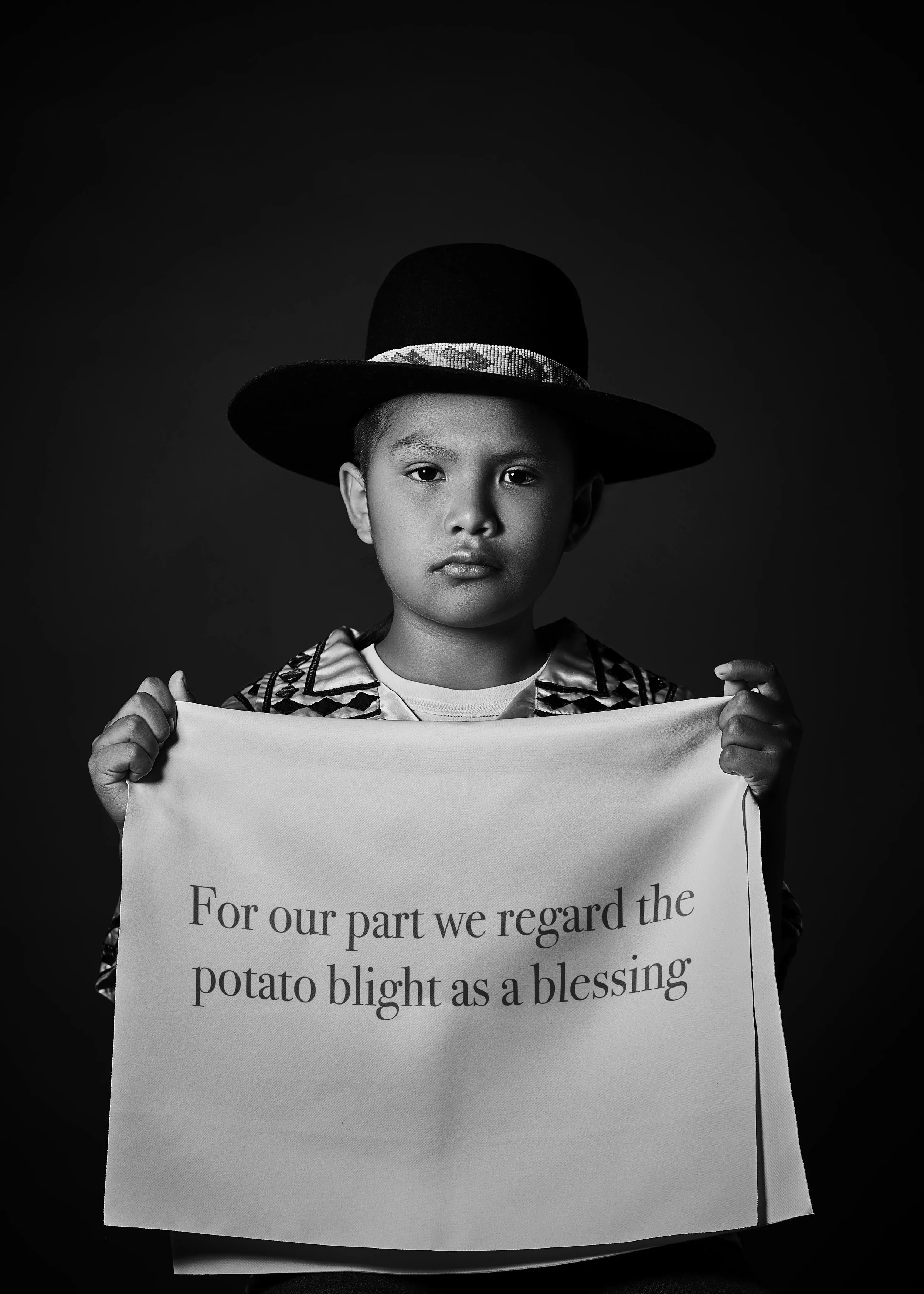
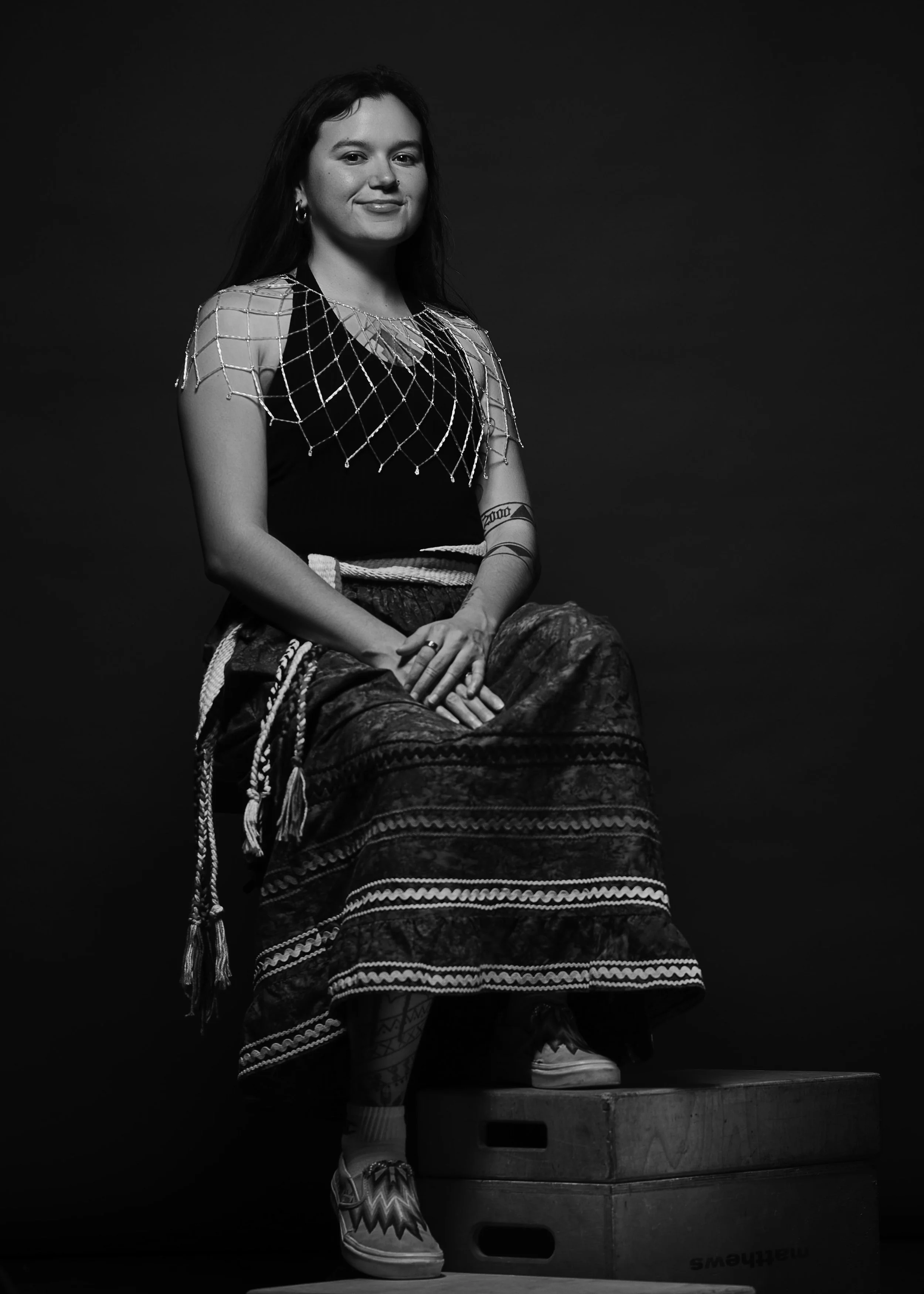
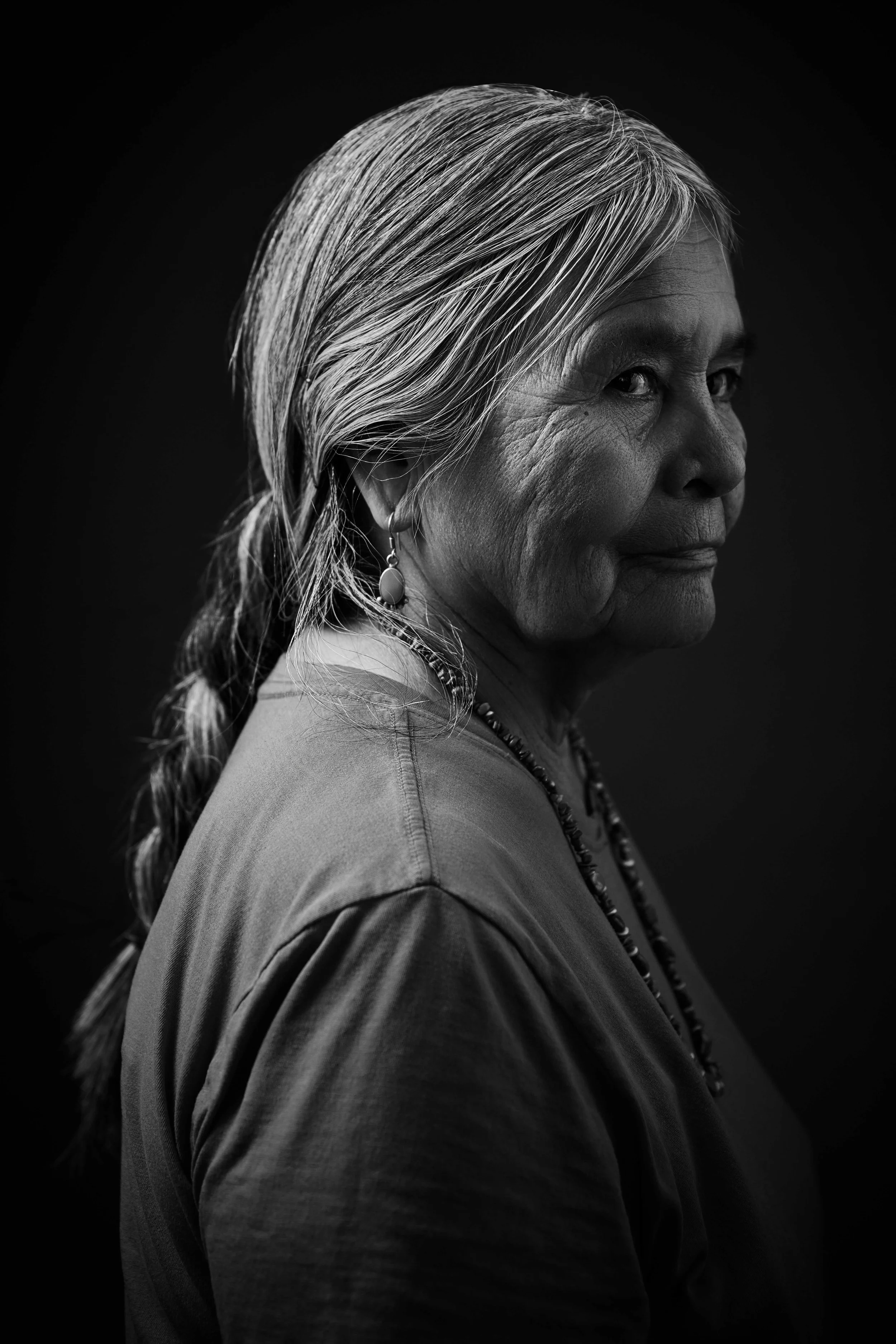
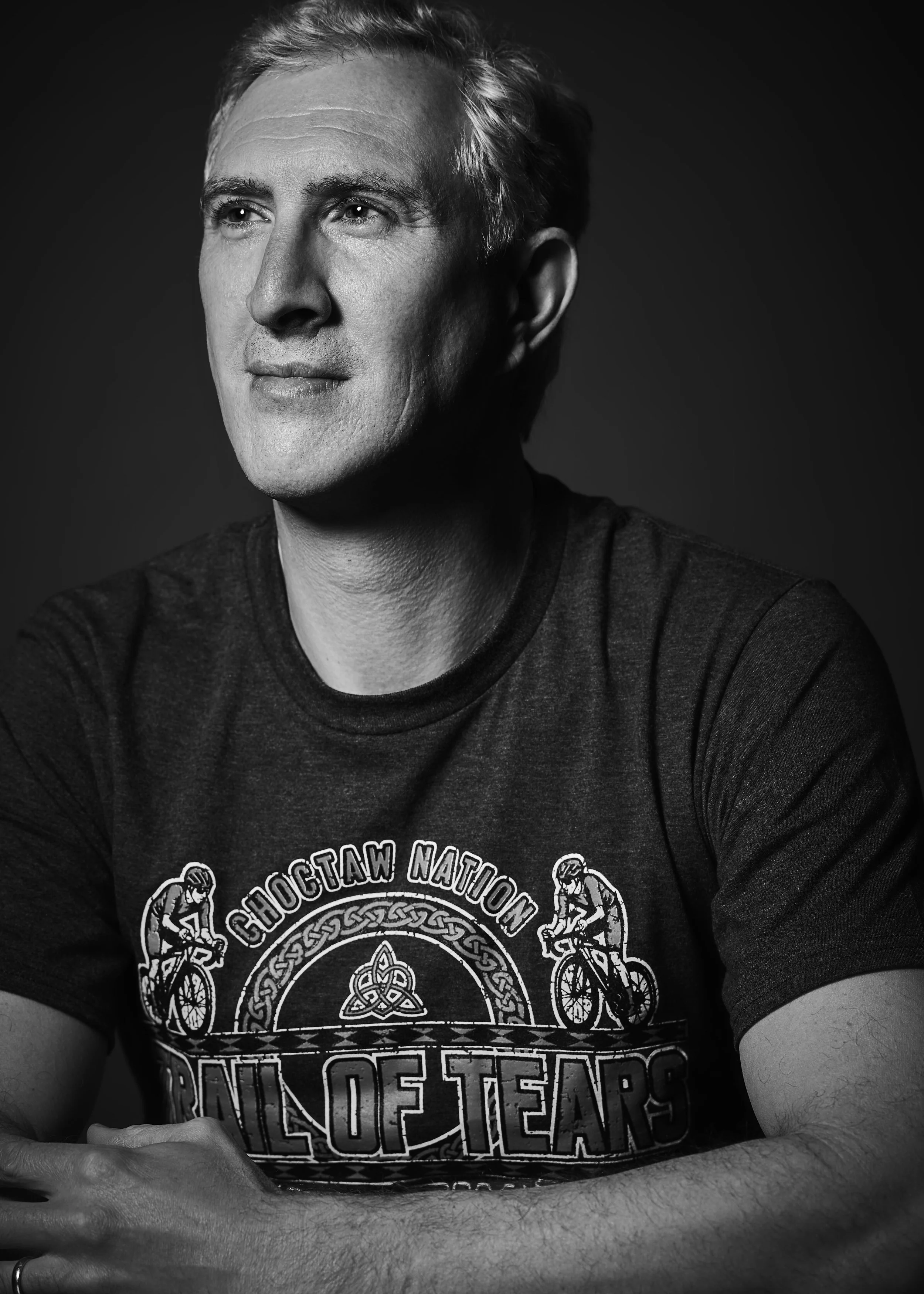
Drawing upon six years of photographic research and collaboration across Ireland and the United States, Echoes of Kindness traces an extraordinary story of compassion between three Native American tribes and the Irish people spanning more than 170 years.
The reconciliation between these two worlds begins in 1847, at the height of the Great Irish Famine, when members of the Choctaw Nation of Oklahoma—only sixteen years after their own forced removal from their ancestral lands along the Trail of Tears—raised money for strangers an ocean apart. More than a century and a half later, that act of generosity was reciprocated. During the COVID-19 pandemic, Irish people donated millions of dollars to relief efforts supporting Navajo and Hopi communities, many citing the Choctaw Nation's gift of 1847 as their reason for giving.
Through a series of large-scale contemporary portraits created in collaboration with the Choctaw, Navajo, Hopi Nations and Irish Donors, photographer Stephanie Murray examines the relationship between Native American Tribes and the people of Ireland, and how an act of compassion transcended geography, culture and generations.